
About Us
Certified wildlife Professionals Protecting Homes And Businesses for more than 30 years
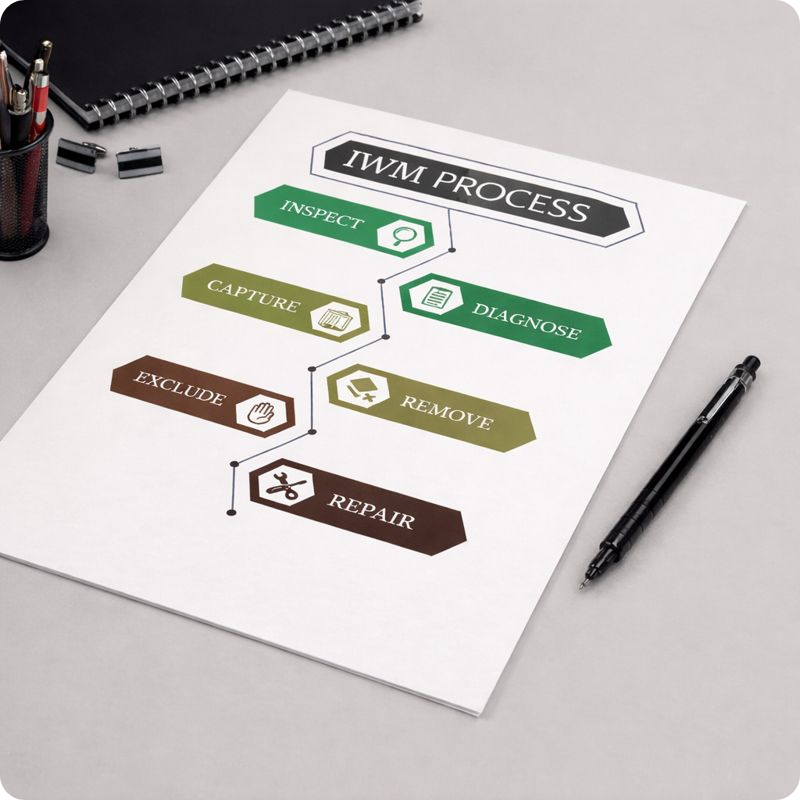
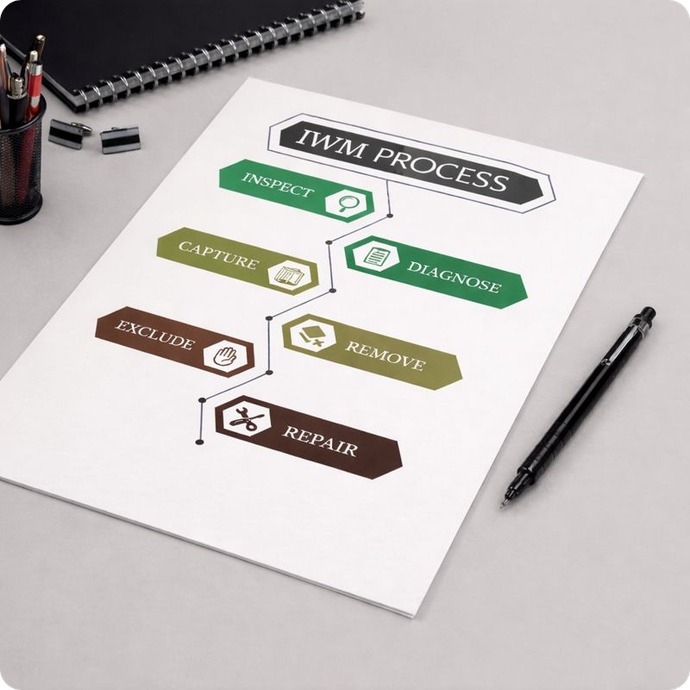
Integrated Wildlife Management Process
Integrated Wildlife Management is our comprehensive, one-stop solution for resolving wildlife and human conflicts. This approach combines six essential elements that work together to address the immediate issue, correct contributing conditions, and prevent future problems. By focusing on the root cause rather than temporary fixes, Integrated Wildlife Management provides an effective and lasting solution.
Inspect
Inspections are conducted to identify which animal or animals may have entered your property, where they are gaining access, and where they are living. In many cases, wildlife has been present far longer than the property owner realizes. It’s also not uncommon for newly purchased buildings or homes to already have wildlife occupants. Avoid unpleasant surprises by scheduling an inspection with a certified wildlife control operator.
EXTERIOR INSPECTION AREAS
Chimney connections to the structure.
Fascia boards, especially areas above gutters.
Dormer roof intersections.
Gable ends.
Vents, including roof, turbine, static, fan, and exhaust vents.
Fascia areas.
Soffit areas.
Locations where rooflines or structural angles meet.
Crawl spaces.
Porches, decks, and other low-clearance elevated areas.
Ground-level areas, particularly along the bottom edges of siding.
Rooftop equipment, especially air handling units.
Entry points for air conditioning lines, electrical lines, and coolant lines.
INTERIOR INSPECTION AREAS
Attic areas, if accessible.**
Knee wall storage spaces.**
Spaces between the roof and top-floor ceiling that are not considered attic space.**
Basement areas, including crawl spaces.
Garage areas.
NEED FUTURE ACCESS?
Access panels can be installed for the areas marked with “**” to allow proper entry for inspection and service. Access panel installation is not included with a standard inspection. Pricing for access panel installation will be provided after the initial visit and evaluation.
Diagnose
Diagnosis works alongside inspection to fully understand a wildlife issue. Through this process, we identify where animals are entering, why the location was appealing, what steps are required to remove them, and how to prevent the same or other animals from returning. Education is often an important part of the solution, as many properties unintentionally provide the exact conditions that attract wildlife. These conditions commonly include readily available food, appealing shelter, and an environment with limited natural threats.
FOOD SOURCES
We are often our own worst enemies when it comes to attracting wildlife. Food left out intentionally or unintentionally can quickly draw animals closer to homes and buildings. Feeding stray animals also creates easy opportunities for skunks, raccoons, opossums, mice, and other wildlife to eat. Once animals become comfortable feeding nearby, it doesn’t take long for them to discover the many suitable areas around a home or office to settle in.
SHELTER
Animals seek protection from the elements just like people do, and structures often provide better conditions than nature alone. Common shelter locations include areas beneath decks, concrete patios, porches, sunrooms, utility sheds, crawl spaces, attics, dryer and bathroom vents, landscaped areas, and architectural features created by building design.
ENVIRONMENT
Urban and suburban areas offer fewer natural threats to wildlife than rural settings. While some predators do move into developed areas, they are rarely present in numbers sufficient to regulate animal populations. The result is an environment where wildlife can thrive near homes and businesses, often leading to recurring issues if conditions are not properly addressed.
Capture
Unless you have extensive training and experience with wildlife, along with a clear plan for what happens after capture, trapping and removal should be handled by professionals. Improper handling can put you, others, and the animal at serious risk. Even well-intentioned efforts can cause unnecessary stress or harm to wildlife.
Many of the species most commonly involved in conflicts—such as skunks, squirrels, rabbits, opossums, and raccoons—are regulated under state game and furbearer laws. Without proper licensing, possessing or transporting these animals is illegal.
Trapping is often seen as the most exciting part of wildlife control, but it’s important to remember that an animal in a cage is still a wild animal. It can cause serious injury to anyone who attempts to touch or interact with it. Never allow anyone to place objects into a trap or cage, and keep a safe distance until a wildlife professional arrives. This approach protects both people and the animal.
Animals in traps may appear aggressive, which is usually a response to people standing too close. In the wild, most animals would never allow such proximity. When approached, they perceive a threat and respond defensively. Avoid the urge to observe up close. Viewing from a safe distance is the safest and most appropriate option for everyone involved.
Remove
Removal can sometimes be straightforward, such as securing an animal in a trap and transporting it away from the property. This approach is commonly used for species like groundhogs, skunks, raccoons, and squirrels. In other situations, removal is more complex and requires specialized tools, including one-way doors, funnels, and purpose-built traps.
Exclusion equipment is not designed to capture animals, but to allow them to exit a structure while preventing reentry. Proper use of these devices must align with the animal’s life cycle. For example, excluding squirrels or bats from an attic during spring or early summer can leave dependent young trapped inside. This can lead to animal fatalities, unpleasant odors, and secondary pest activity within the structure.
It is important to understand that certain species must be euthanized when captured. In Pennsylvania, the Pennsylvania Game Commission— which regulates licensed Wildlife Control Operators— requires euthanasia for skunks, foxes, coyotes, raccoons, and groundhogs.
These animals are classified as rabies vector species, meaning they are capable of carrying and transmitting rabies to humans. While not every individual animal is infected, the potential risk exists, which is why wild animals should never be handled casually or without proper training.
In some cases, euthanasia is also necessary because relocating wildlife is not biologically appropriate. Studies show that relocated animals often attempt to return to their original territory, move into another structure and create new problems, or perish due to unfamiliar surroundings and an inability to adapt.
Exclude
Exclusion is the process of installing appropriate materials and devices to prevent birds, animals, and reptiles from accessing specific areas of a structure. In many cases, a property may not show obvious damage, yet wildlife takes advantage of openings created by standard construction methods or building materials.
A common example is the open space beneath a deck. While the area may pose no issue on its own, it can quickly become a problem once skunks or other animals move in. This can often be prevented by installing durable screening that still allows proper airflow while blocking access when correctly secured.
Dryer and exhaust vents are another frequent entry point, as they offer ideal nesting locations for birds. Vent covers can be easily pushed open, or they may already be partially or fully open due to lint buildup, creating an open invitation for nesting. Gable vents that are unscreened or inadequately screened are often exploited by squirrels. Small gaps along foundations or corner channels on sided homes commonly allow entry for mice and snakes.
In commercial, industrial, and retail environments, structural features often provide attractive roosting areas for birds, leading to unsanitary working conditions. Many preventative measures can be taken by homeowners and maintenance teams to reduce access points and eliminate perching opportunities.
S & S offers guidance and expertise for those who prefer to handle exclusion work themselves, as well as full-service solutions for clients who want the work completed by experienced professionals. A comprehensive site inspection by S & S provides clear recommendations to help prevent animals, birds, and reptiles from turning homes, offices, warehouses, or industrial sites into permanent shelter.
Repair
Damage is sometimes caused directly by wildlife, and other times it results from unrelated issues that animals later take advantage of. Regardless of the cause, those areas must be properly repaired. S & S brings years of hands-on experience in building repair and maintenance, along with access to skilled tradespeople capable of handling everything from soffit and fascia repairs to electrical, masonry, and carpentry work.
Repairs are often overlooked once the animals are gone and the noise has stopped. It can be tempting to postpone the work, but untreated openings rarely remain vacant for long. Just as the original animals appeared unexpectedly, other urban or suburban wildlife will quickly move in to take their place.
Openings high on a structure are commonly used by squirrels, and once one group is removed, others may follow, along with birds or bats. Ground-level damage, such as holes created by groundhogs, creates ideal shelter for skunks, opossums, raccoons, and stray cats. Repairing these vulnerabilities is a critical step in resolving wildlife issues for the long term.
If a wildlife control operator cannot complete the necessary repairs or provide a reliable recommendation, it is best to seek another operator. Proper repairs are not optional—they are essential to a lasting solution.
Wildlife removal and control Solutions for All Property Environments
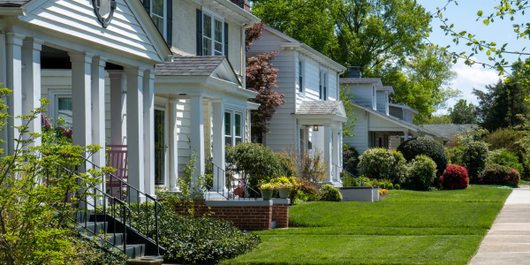
Residential
Wildlife control for homes, addressing access points, activity patterns and repairs.
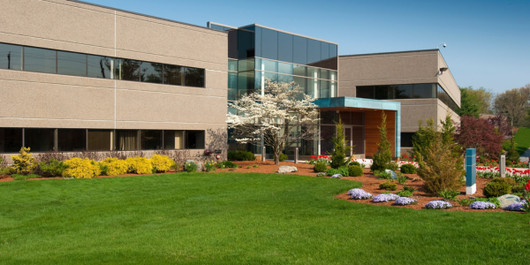
Commercial
Wildlife solutions for businesses. covering entry risks. behavior, and maintenance.
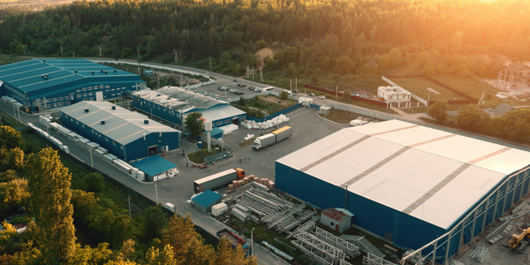
Industrial
Wildlife programs for facilities, managing access, conditions, and structures issue.
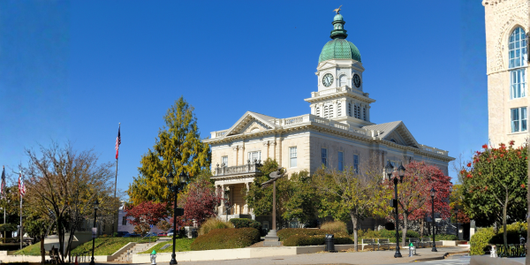
Municipal
Wildlife management for public areas, balancing access risks, compliance, and care.

Nuisance Animals and wildlife control services
Bats
 Learn More
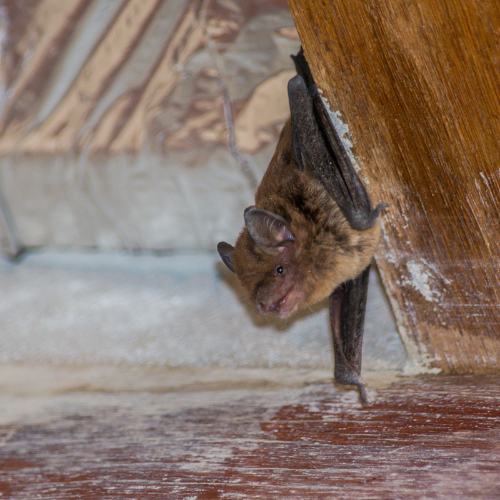
Bats occupy high, enclosed spaces like attics and wall cavities, where their presence brings persistent scratching sounds, strong odors from waste buildup, and contamination concerns that worsen as colonies return night after night.
Birds
 Learn More
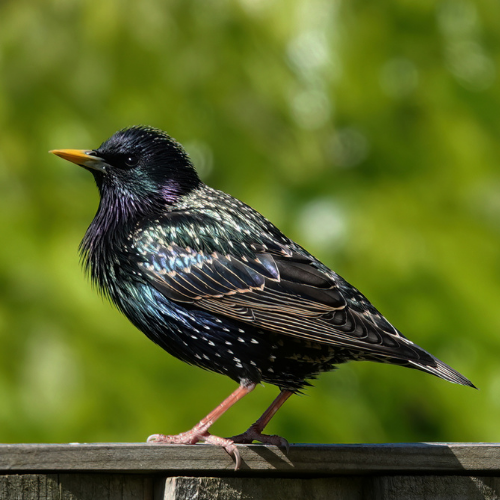
Birds congregate on structures and rooftops, where nesting materials clog openings, droppings accumulate on walkways and siding, and repeated roosting leads to surface damage, corrosion, and ongoing maintenance headaches.
Beavers
 Learn More
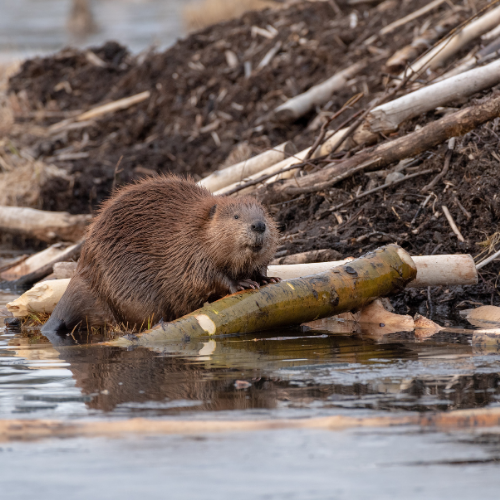
Beavers are large, semi-aquatic rodents known for building dams and lodges along rivers, streams, and ponds. Their activity can alter water flow, flood nearby land, damage trees, and affect roads, drainage systems, and structures by raising water levels and weakening soil stability.
Canada Geese
 Learn More
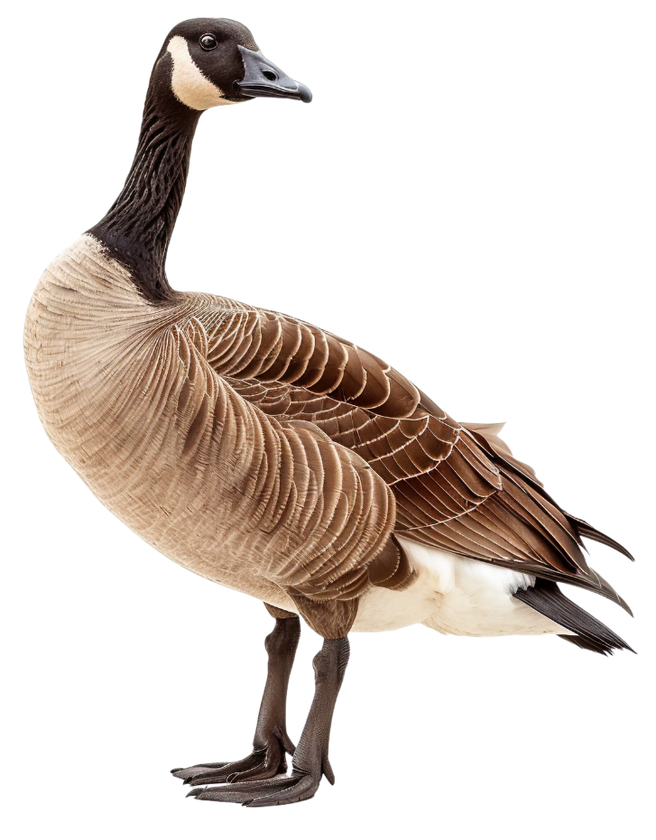
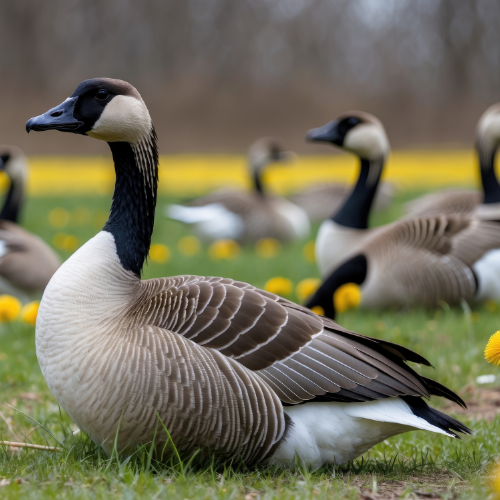
Canada geese take over lawns, ponds, and commercial properties, covering surfaces with droppings, damaging turf through constant grazing, and creating aggressive encounters during nesting seasons that disrupt normal use of outdoor spaces.
Chipmunks
 Learn More
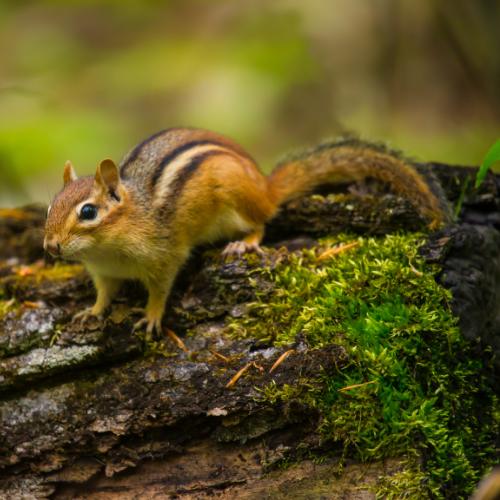
Chipmunks burrow beneath patios, steps, and foundations while hoarding food in hidden tunnels, loosening soil, damaging plant roots, and creating small openings that lead to larger structural concerns over time.
Coyotes
 Learn More
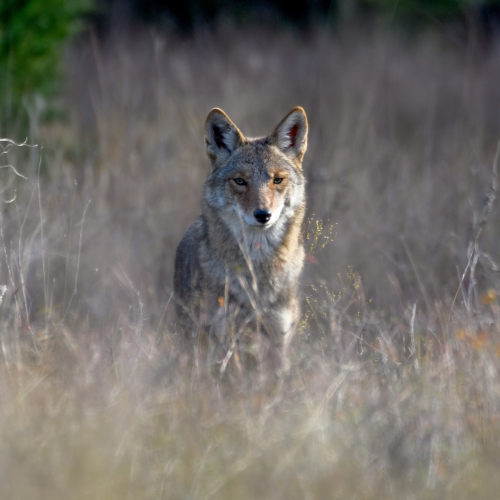
Coyotes are highly adaptable wild canines commonly found in rural, suburban, and urban areas. They are opportunistic feeders and can impact pets, livestock, and local wildlife populations, while also denning near green spaces, wooded areas, and undeveloped land close to homes.
Foxes
 Learn More
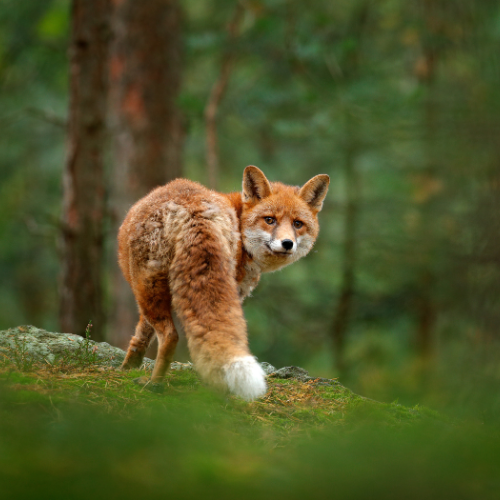
Foxes establish dens near homes and green spaces, preying on pets and wildlife, scattering debris, and leaving strong odors behind as repeated activity turns quiet areas into active corridors.
Groundhogs
 Learn More
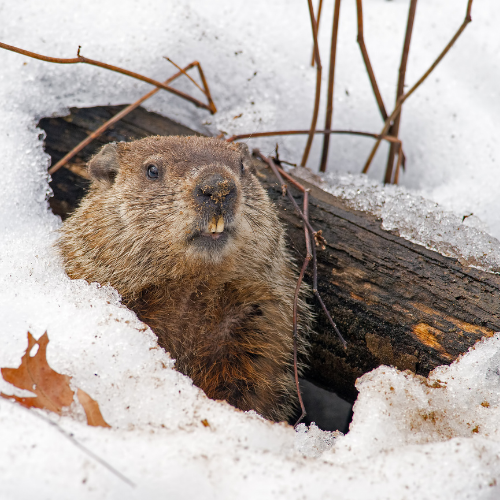
Groundhogs dig expansive burrow systems under sheds, decks, and foundations, weakening structures, damaging landscaping, and creating deep holes that pose risks to both property and personal safety.
Mink
 Learn More
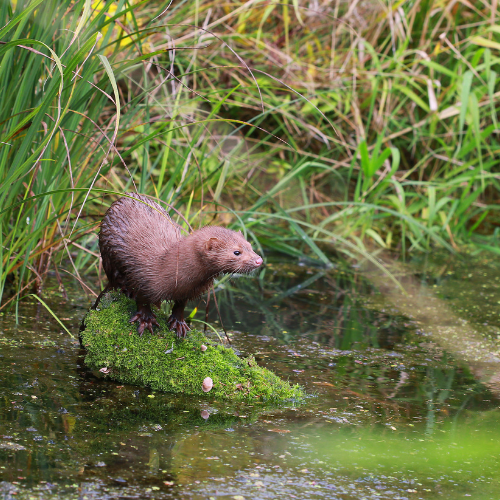
Mink are small, sleek, semi-aquatic mammals often found near rivers, ponds, and wetlands. They are skilled hunters that prey on fish, birds, and small animals, and their presence near homes or farms can lead to poultry losses, property damage, and strong odors from dens or marking behavior.
Moles
 Learn More
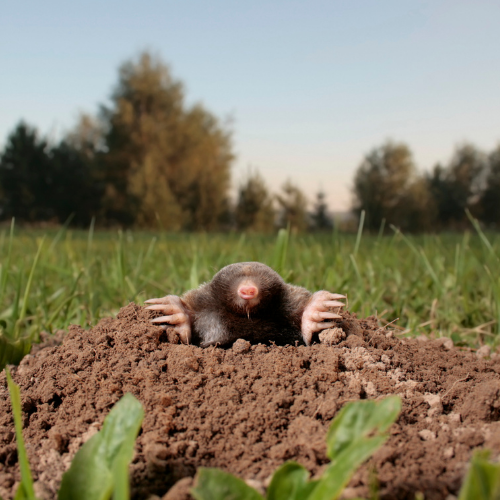
Moles tunnel just beneath the surface, lifting soil and grass as they move, ruining lawns, destabilizing root systems, and leaving widespread damage that continues to spread as their underground networks expand.
Muskrats
 Learn More
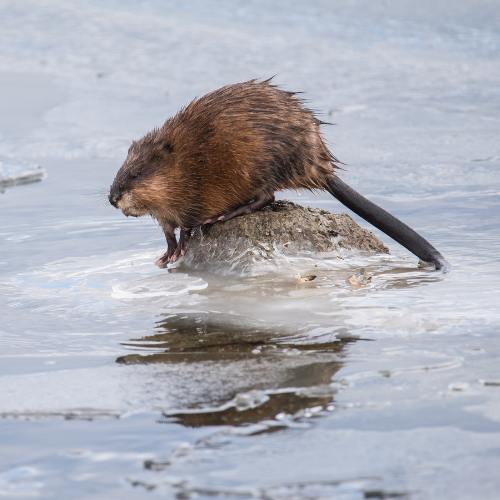
Muskrats burrow into pond banks and shorelines, undermining soil stability, damaging retaining structures, and increasing erosion while their activity threatens nearby landscaping and water control systems.
Opossums
 Learn More
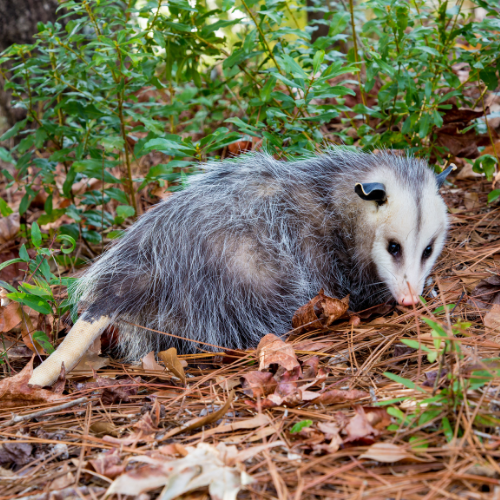
Opossums wander into yards and structures seeking shelter and food, tipping over trash, nesting in confined spaces, and leaving behind waste and damage that can attract additional wildlife and pests.
Rabbits
 Learn More
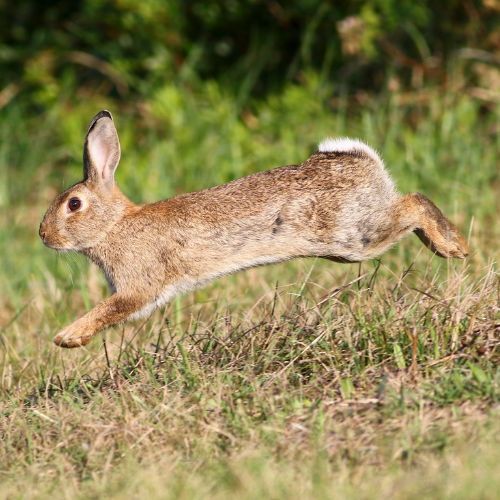
Rabbits strip gardens and landscaping down to the stems, chewing through flowers, shrubs, and young trees while burrowing and nesting in areas that quickly turn neat outdoor spaces into ongoing repair zones.
Raccoons
 Learn More
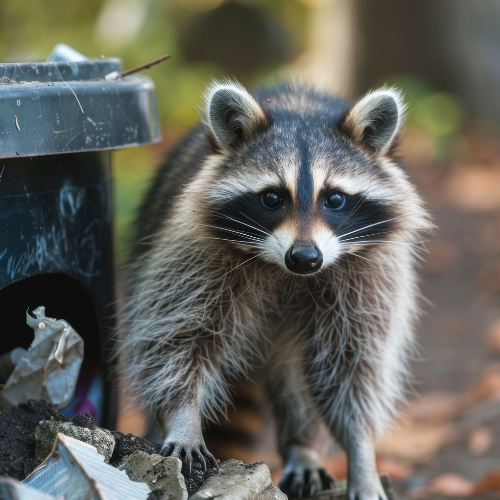
Raccoons pry open vents, roofs, and entry points to access interior spaces, where they shred insulation, contaminate areas with waste, and cause repeated structural damage through persistent nesting and foraging.
Rodents
 Learn More
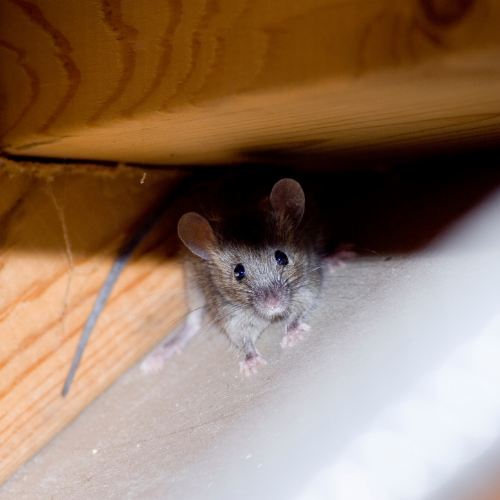
Mice and rats slip through the smallest openings to nest inside walls and ceilings, chewing wiring and materials, contaminating food and surfaces, and multiplying quickly as hidden activity turns into widespread damage and health concerns.
Shrew
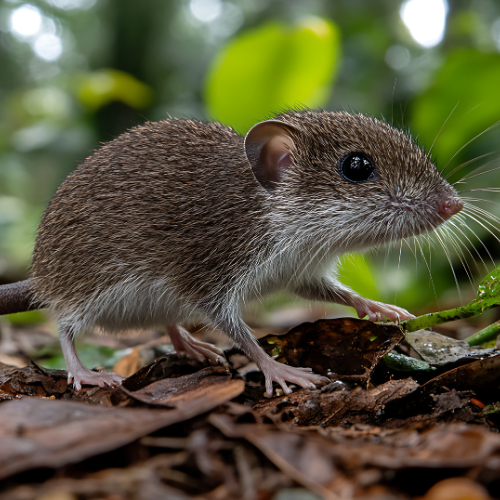 Learn More
Shrews dart through yards and structures in search of constant food, nesting in hidden spaces, disturbing soil and insulation, and leaving behind odors and activity that often go unnoticed until their numbers increase.
Skunks
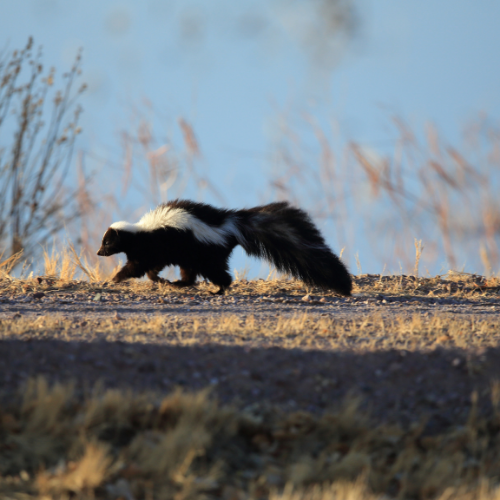 Learn More
Skunks dig beneath porches, decks, and foundations to create dens, tear up lawns while foraging, and release strong odors that linger and disrupt the use of outdoor spaces and nearby structures.
Snakes
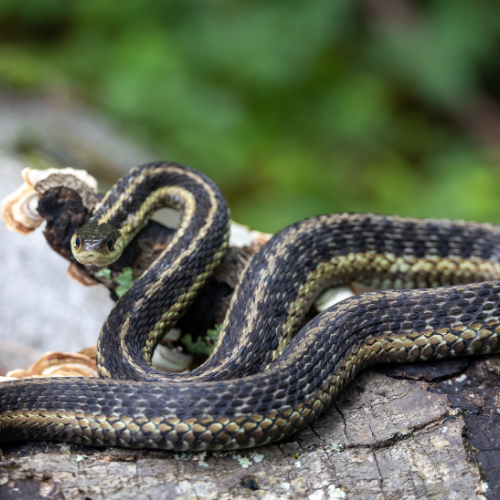 Learn More
Snakes move quietly through tall grass, crawlspaces, and storage areas while hunting prey, creating anxiety and unpredictable encounters as they hide in shaded, cluttered spaces around homes and buildings.
Squirrels
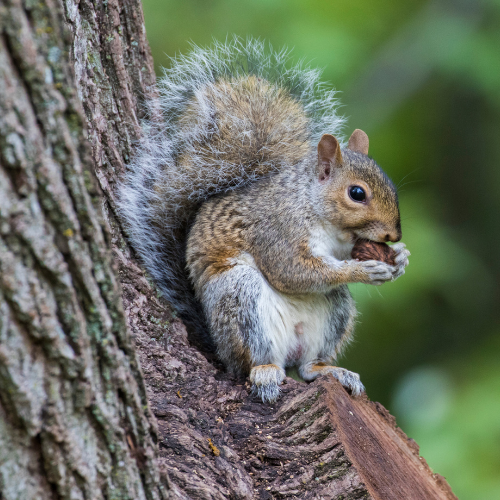 Learn More
Squirrels tear into roofs and vents to reach attics, where they build nests, scatter debris, chew structural materials, and create ongoing noise and damage above living spaces.
Wildlife Exclusion
 Learn More
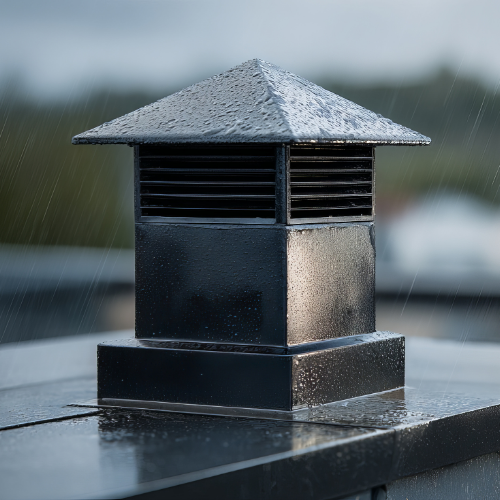
Wildlife exclusion focuses on sealing entry points, reinforcing vulnerable areas, and preventing animals from gaining access again, helping protect structures from repeat activity and ongoing damage.
Inspection
 Learn More
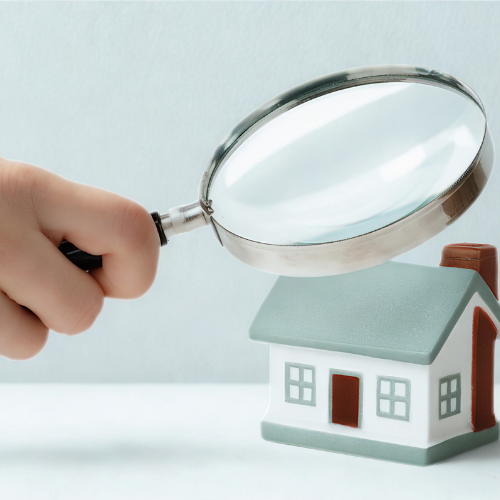
A wildlife inspection is a professional evaluation of a home or property to identify animal activity, entry points, nesting areas, and conditions that attract wildlife. It typically includes checking the roofline, attic, crawlspace, vents, siding, and surrounding exterior to determine what species are present, how they’re getting in, and the extent of damage or contamination. The findings are used to outline removal, exclusion, and repair recommendations.
Let’s Talk About Your Nuisance Animal Problem
To receive and estimate, please fill out the form or call 717-540-9042.